The bag on your counter was already stale when you bought it
You paid real money for those beans. Maybe a specialty bag, maybe a local roaster's subscription. You've got the grinder, the pour-over, the whole setup. And every morning you make a cup that is... fine. Not bad. Just fine.
Most people at that point shrug and figure this is just what coffee tastes like at home. They're not wrong that something's off. They're just wrong about why.
Here's the part nobody puts on the bag: coffee loses most of its flavour two to three weeks after roasting. Most bags travel through a warehouse and a truck before you ever open them. By the time you scoop the first spoonful, you're already drinking old coffee. The system guarantees it. You didn't do anything wrong.
I came across a book called Bean There, Roasted That by Robert Billings, and the premise stopped me cold. Not because it was complicated. Because it wasn't.
His argument is simple: roasting your own beans at home takes about 15 minutes, costs a fraction of what you're already paying, and produces a cup that is genuinely different from anything you can buy off a shelf. Not marginally better. Different.
The book doesn't ask you to become a coffee person. It asks you to spend one Saturday morning with a skillet and some cheap green beans, and then decide for yourself. That felt like a fair trade.
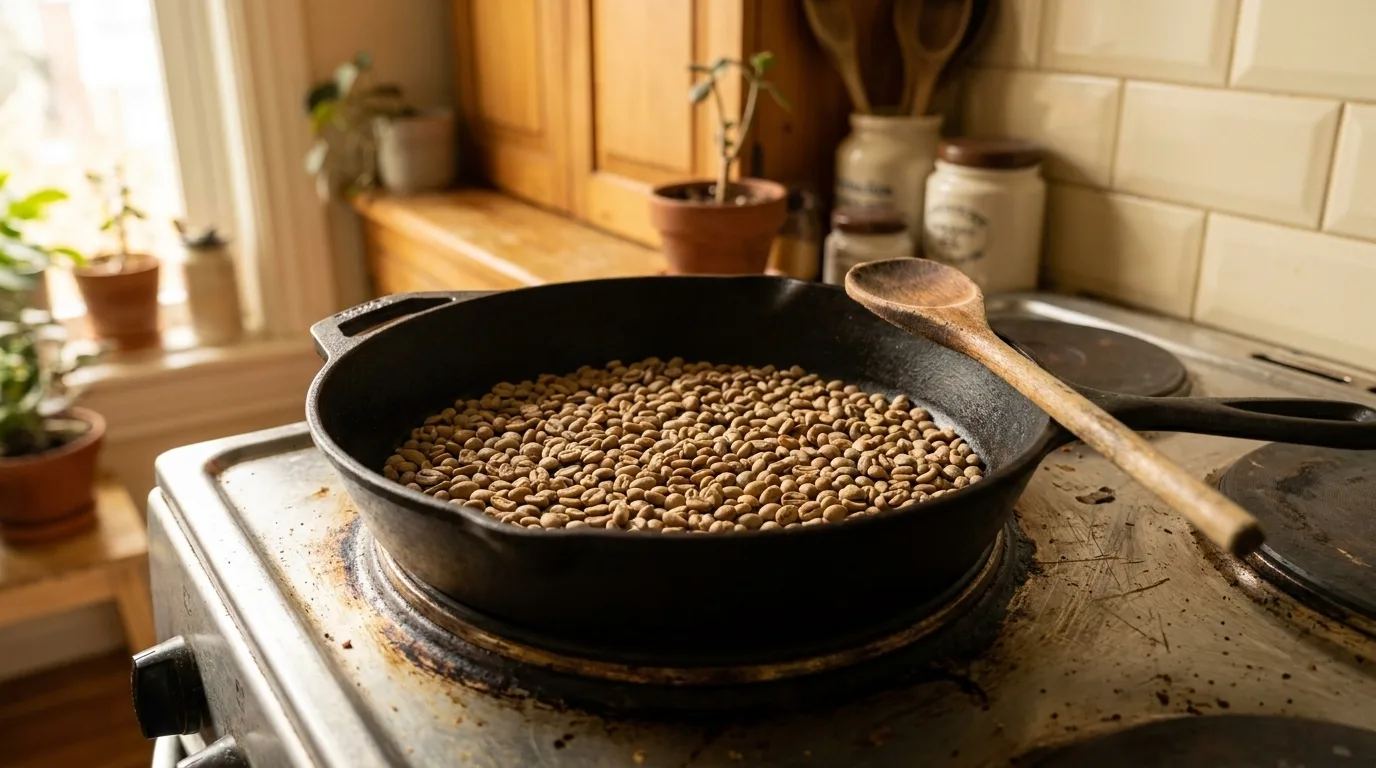
The bag is already old before you open it
Billings doesn't ease into this. Right out of the gate he writes: "That store bag is already stale by the time you open it." The supply chain isn't broken — it just wasn't designed with freshness in mind. Green beans, unroasted, keep for up to a year. Roasted beans start fading in weeks. Buying roasted coffee means you're always racing a clock you didn't start. Buying green beans means the clock starts when you decide.
That store bag is already stale by the time you open it.
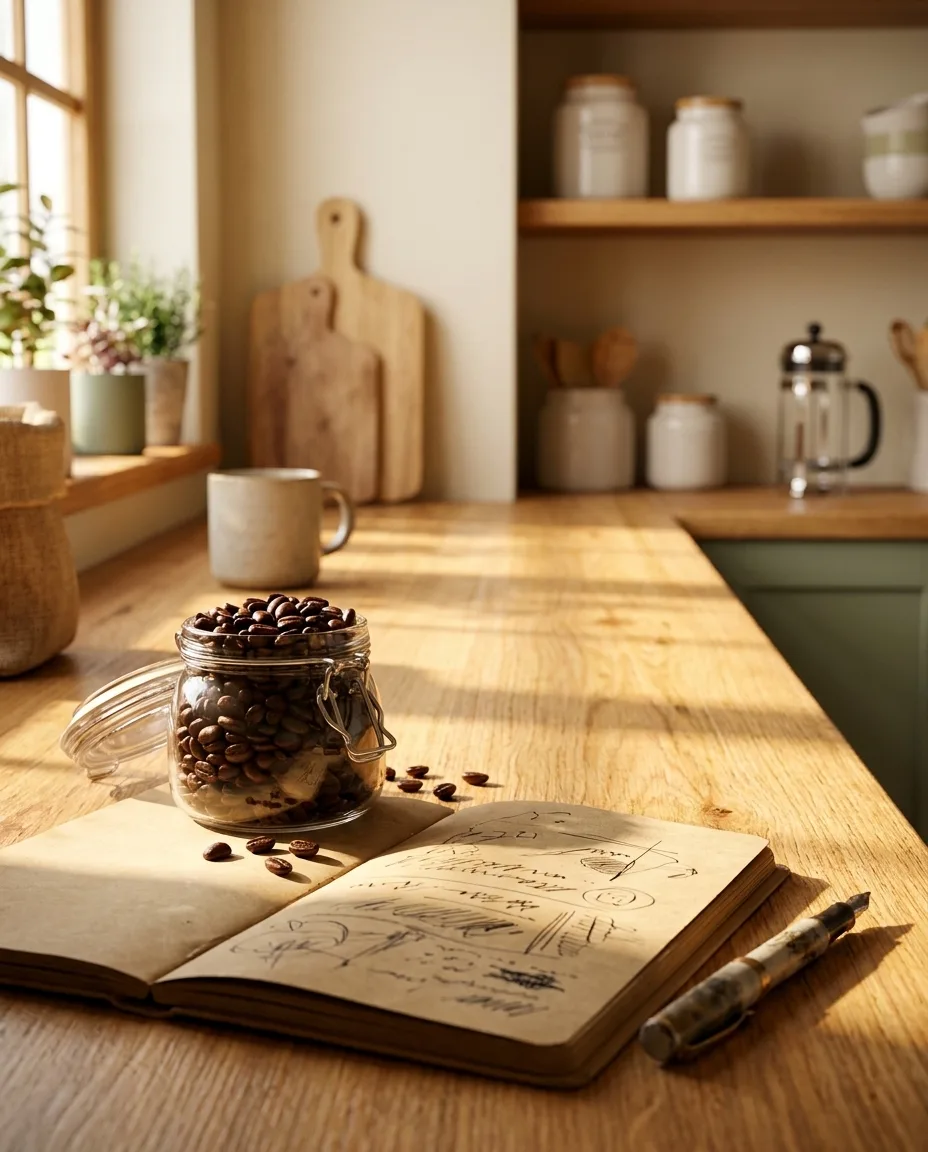
Sound and colour tell you exactly when to stop
The thing most people assume is hard — knowing when the roast is done — turns out to be the part that's almost impossible to get wrong once you know what to listen for. Around four to ten minutes in, the beans pop loudly, like popcorn. That's first crack, and it signals a light roast. Keep going and a quieter, static-like second crack tells you you're into dark territory. The colour shifts from tan to milk chocolate to dark brown and confirms what your ears already heard. No thermometer, no timer app.
Rest the beans or ruin the cup
This is the step Billings says almost every first-timer skips. Freshly roasted beans are full of trapped CO2, and if you brew too soon, that gas makes the coffee taste flat or sour. The fix: leave them in an open container for 12 to 24 hours. That's it. Then you grind them, brew them the same way you always have, and "fresh-roasted coffee smells alive — sweet, nutty, a little wild. That smell alone tells you why you went through all this."
Fresh-roasted coffee smells alive — sweet, nutty, a little wild. That smell alone tells you why you went through all this.
A $20 popcorn popper changes what's possible
The skillet works. But it needs constant stirring. The upgrade Billings recommends costs $20 to $30 at any big-box store or less at a thrift shop: a hot-air popcorn popper. It tumbles the beans automatically, clears the papery chaff more cleanly, and makes first and second crack easier to hear. More control, less hovering. He's careful to say you don't need it to start. Most people already own the skillet. But when you're ready, the popper is the most accessible upgrade in the book.
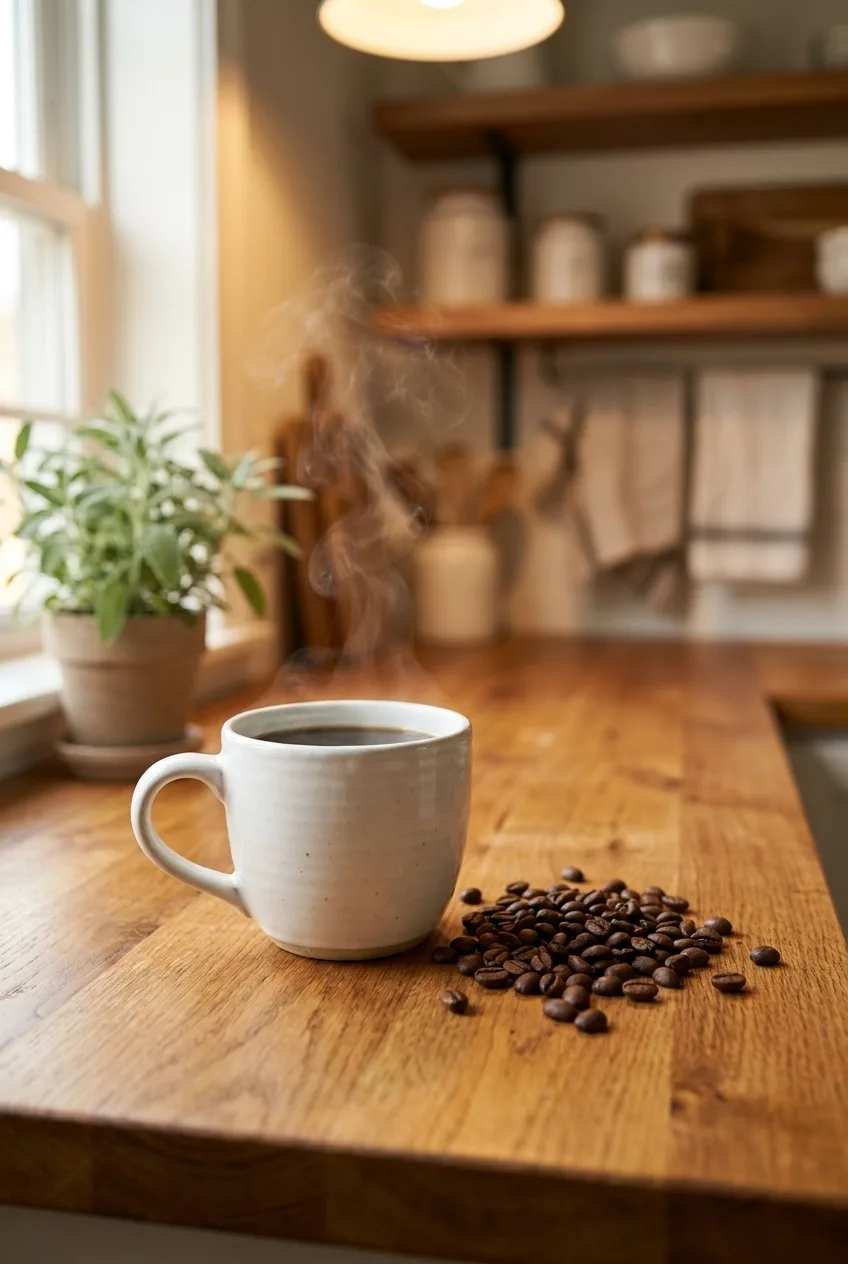
A roast log turns a lucky batch into a repeatable one
The section that stuck with me most is the simplest. Billings sketches out what a roast log entry looks like: date, origin, roast level, brew method, a few flavour words, and one small adjustment for next time. Something like: "nutty, smooth, a little chocolatey — try 60 seconds less next time for more brightness." As he puts it, "A great blend you can't remember is just a lucky accident. Write it down, and it's yours for good." Sixty seconds of notes per batch and your coffee keeps getting better.
A great blend you can't remember is just a lucky accident. Write it down, and it's yours for good.
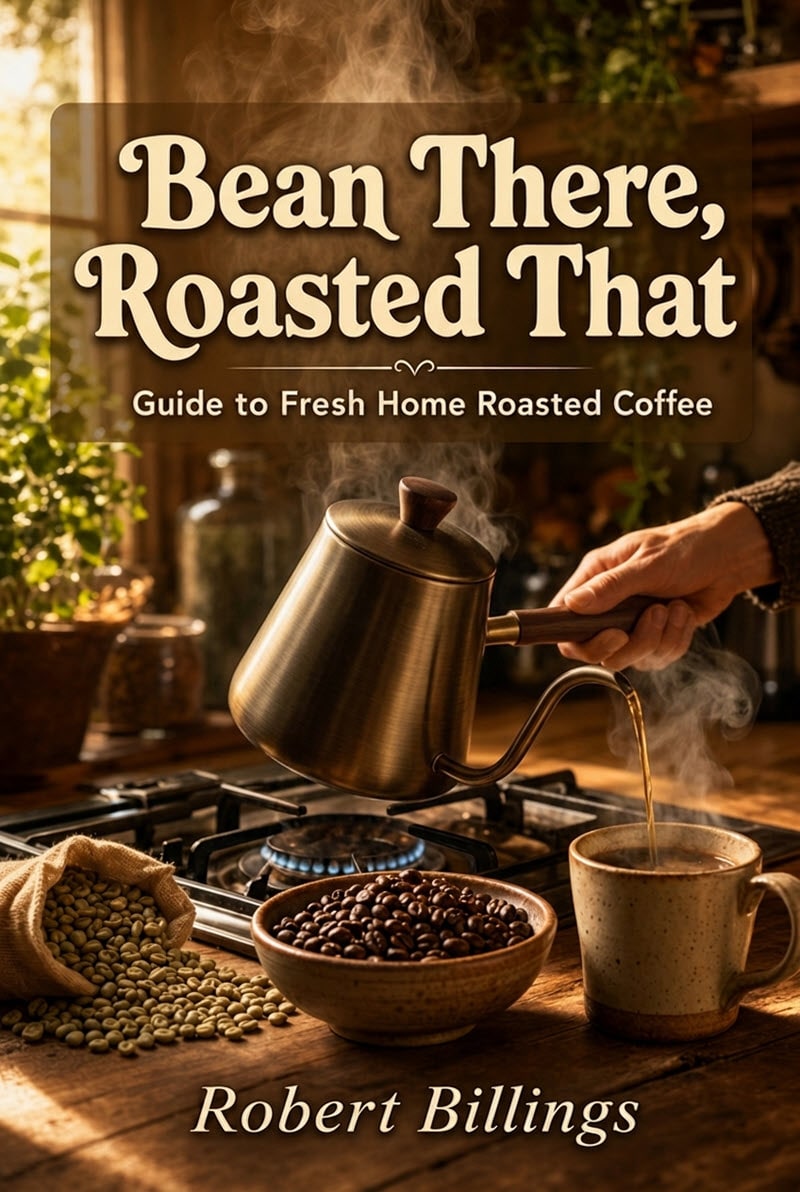
Bean There, Roasted That is a short, practical book. You can read the first roast chapter in one sitting and have green beans ordered before you close it. Billings starts you on a forgiving Colombian bean, walks you through every sensory cue, and tells you plainly what can go wrong and how to avoid it.
You don't need special gear. You don't need to become a hobbyist. You need a skillet, a bag of green beans, and one free morning. Everything else is in the book.
Check what it costs on Amazon and read the first few pages. "The best next roast is the one you do this weekend."
Get It on AmazonQuestions people actually ask
I don't have any special equipment. Will this actually work for me?
Yes, and that's the whole point of the book. Your first roast uses a heavy skillet, which most kitchens already have. The one upgrade Billings mentions — a hot-air popcorn popper — runs $20 to $30, or less secondhand. No specialist gear is required at any stage.
Will I just ruin the beans and waste money on my first try?
Billings starts beginners on Colombian beans specifically because they're forgiving. A little off on timing and the batch still tastes good. First batches are small — 100 to 150 grams — so even a genuinely bad roast costs almost nothing to redo. The downside is low.
Is this going to pull me into an expensive hobby?
Honest answer: it doesn't have to. Green beans cost about one-third the price of fancy roasted coffee, and the book says plainly that the skillet and the popper are the only purchases you need to make. Drum roasters and rare microlot beans exist if you ever want them. The book mentions them. It doesn't push them.
Will home-roasted coffee actually taste better, or is this more of a process thing?
Store coffee starts losing flavour weeks before you open the bag. Beans roasted at home and brewed within days are genuinely a different product. Billings puts it plainly: "Fresh-roasted coffee is a different thing entirely. It's brighter, sweeter, and full of smells you didn't know coffee had. Once you taste it, the old way feels flat." That's not a selling line. It's the honest gap.
Is this book for someone who already knows a lot about coffee?
No, and it's not trying to be. If you know what a French press is, you know enough. The book doesn't assume any roasting knowledge and explains every sensory cue — sound, colour, smell — in plain language. Someone who has never thought about roasting before is exactly who it's written for.
I only have about 15 minutes in the morning. Is that really enough?
For the roast itself, yes. Billings is clear: "A single roast takes about 15 minutes from start to finish. That's it." You'd roast on a weekend morning, rest the beans overnight, and have fresh coffee ready for the week. The daily routine doesn't change at all.